Before the Harbour Bridge. Before the Opera House. Sydney had a much grimmer icon welcoming visitors: a convict’s corpse swinging from chains above the water.
Meet Francis Morgan — the man who put Pinchgut Island on the map by dying spectacularly in 1803 and refusing to leave for three bloody years.
Hanging Around Since 1803
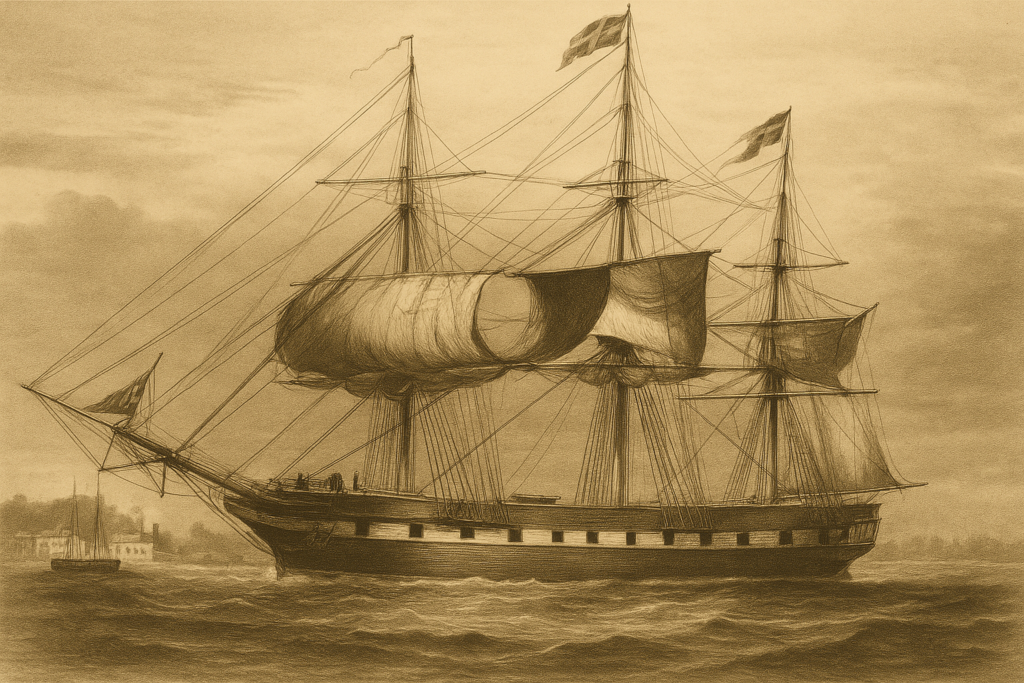
Picture this: You’ve just spent six months at sea. You’re a convict, sailor, or settler approaching the rugged new colony of Sydney. The shoreline’s bleak. The locals look grim. And then you see him — a blackened, sun-bleached body twisting in the breeze, high above a jagged island rock.
Welcome to Sydney. Enjoy your stay.
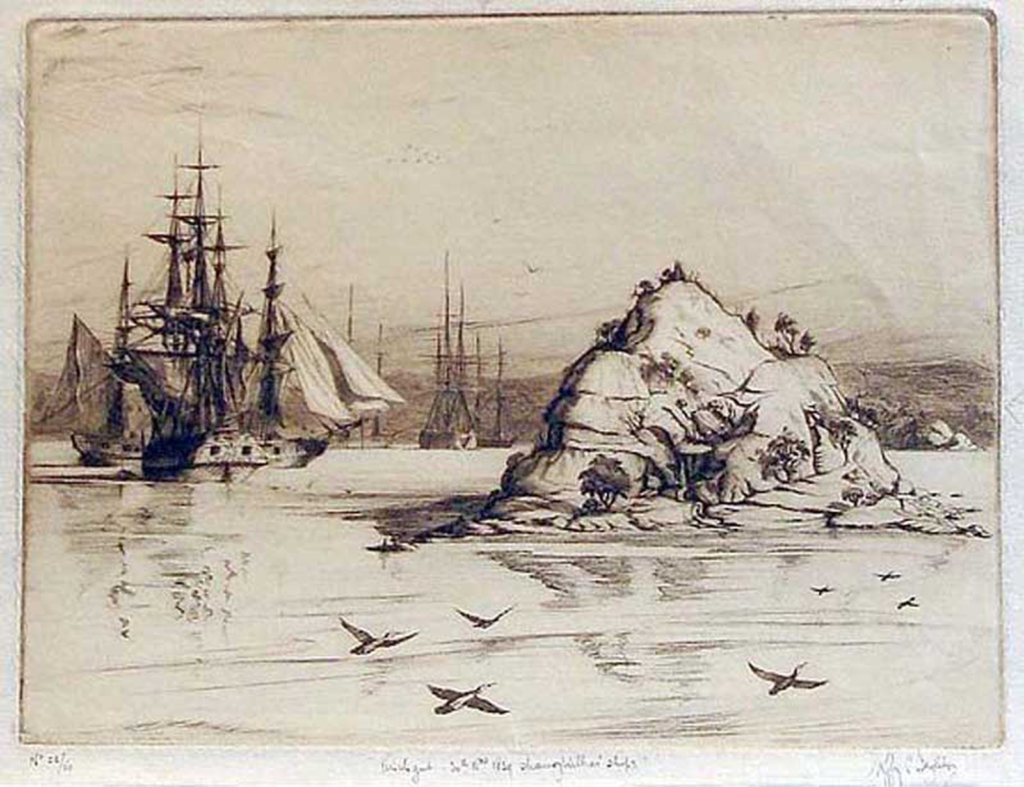
That was the reality from 1803 to 1806, when the decomposing body of Francis Morgan became the colony’s unofficial welcome sign — gibbetted high on what we now call Fort Denison, back then simply Pinchgut Island.
🧍 Who the Hell Was Francis Morgan?
Not your average pickpocket, Francis Morgan was already a convicted murderer when he arrived in Sydney aboard the Minerva in 1800. And he didn’t exactly mellow out under the Aussie sun.
In 1803, he struck again — this time murdering fellow convict Simon Raven during a drunken quarrel at Liberty Plains.
Morgan was tried, found guilty, and sentenced to hang. But Governor King had something extra in mind: an encore performance as the colony’s most graphic deterrent.
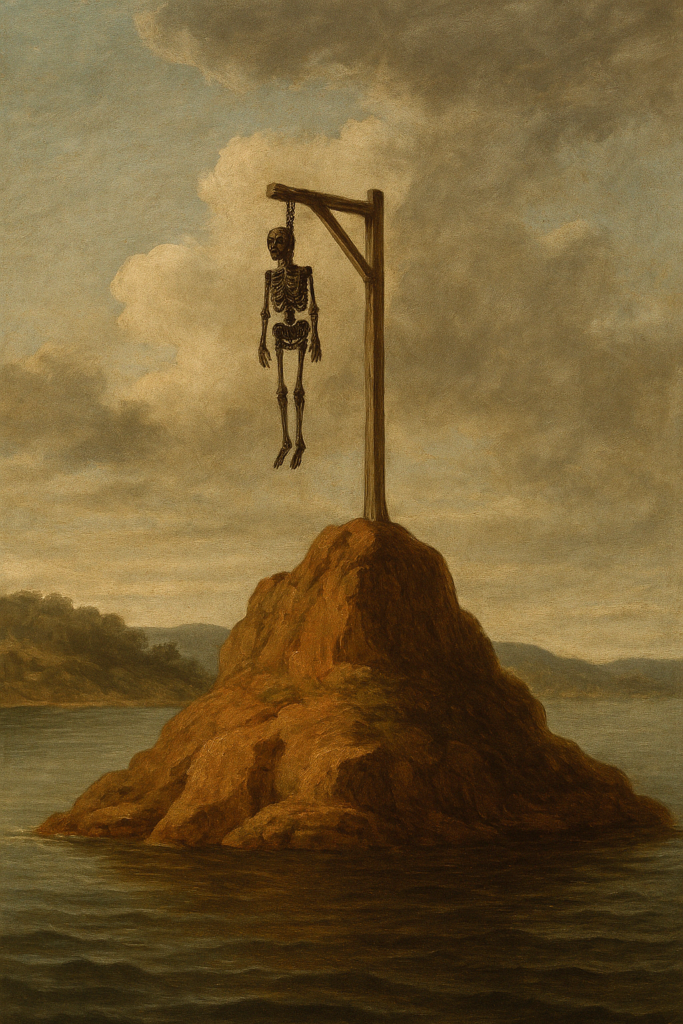
After Morgan’s execution, his body was suspended in chains on Pinchgut Island — a barren rock in Sydney Harbour — making him the first and only person ever gibbeted in New South Wales.
There he hung, rotting in the sea air, clearly visible to every ship arriving in the colony — a human billboard that screamed:
“Welcome to Sydney. Behave… or else.”
Even by early colonial standards, it was brutal. But as far as criminal deterrents go, Morgan made one hell of a first impression.
Gallows With a View
On March 3, 1803, Morgan was led to Pinchgut Island and executed. His final words, legend says, were:
“What a view.”
Darkly poetic? Maybe. Or maybe just Sydney’s earliest recorded dad joke.
But there’d be no peaceful burial. Instead, Morgan was gibbetted — locked in iron chains and left hanging in the open air. Not for a day. Not a week. But three full years.
The Corpse That Launched a Thousand Warnings
Every ship entering the harbour saw him first. No need for customs or welcome signs — just the unmistakable message: Don’t screw around in this colony.
His body, exposed to sea spray, sun, and storms, slowly decomposed in public. Sailors stared. Locals gawked. Even visiting dignitaries whispered about Sydney’s swinging scarecrow.
Pinchgut’s Ghastly Legacy
Before it was Fort Denison, Pinchgut Island was a slab of sandstone used to punish misbehaving convicts — and, occasionally, turn them into tourist attractions.
With Morgan’s body swaying over the harbour, the island transformed from penal dump to Sydney’s first waterfront spectacle. A kind of macabre billboard. An 1800s-style “true crime” installation. No entry fee required — just a strong stomach.
The Clean-Up
In 1806, after three long years, officials finally brought Morgan’s remains down. His bones were likely buried in secret. The chains removed. The island forgotten — for a while.
But the legend lived on.
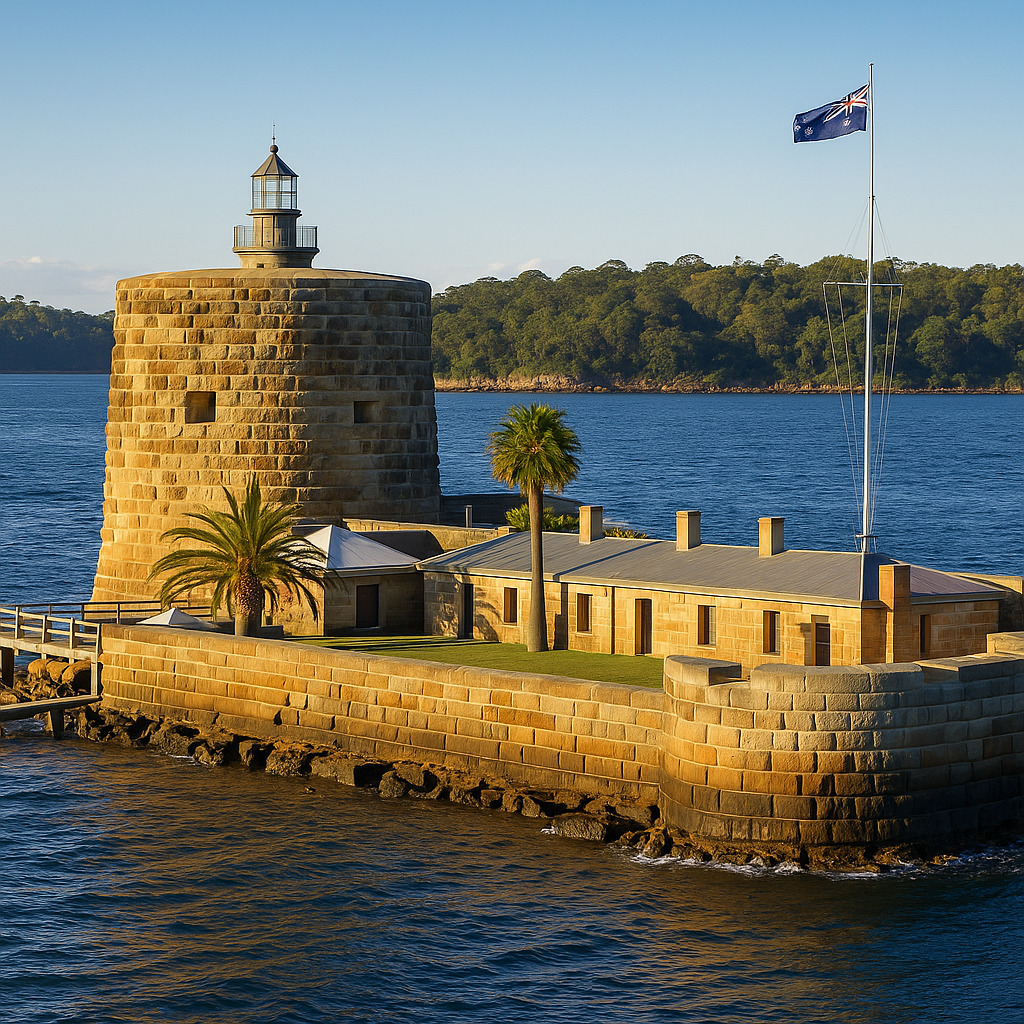
Today, visitors to Fort Denison enjoy views, wine, and sunshine… blissfully unaware that they’re standing where Francis Morgan once rotted into history.
Join the (Much More Alive) Fun
At Bloody Interesting Tours, we don’t just walk Sydney — we resurrect it. From swinging corpses and convict justice to razor gangs and ghost stories, we serve up the true tales they left out of your school books.